
First-Time Home Inspection Tips for Buyers

Serving homebuyers across the Crystal Coast, including Swansboro, Jacksonville, and surrounding Eastern North Carolina communities.
Buying a home is a major milestone—but for first-time buyers, it can also be overwhelming, especially along North Carolina’s Crystal Coast where coastal conditions can hide costly issues.
One of the most important—and often underestimated—steps is the home inspection. It reveals the true condition of the property and helps you understand what you’re really buying. Knowing what to expect—and how to prepare—can save you time, money, and stress.
UNDERSTAND THE IMPORTANCE OF A HOME INSPECTION
A home inspection is a detailed evaluation of a property’s structure and major systems. It identifies defects, safety hazards, and maintenance concerns that are often missed during a standard showing.
Skipping or rushing this step can lead to costly surprises after closing.
A professional inspector evaluates key systems and components, including:
Roof and drainage systems
Foundation and structural components
Electrical wiring and panels
Plumbing systems
Heating, ventilation, and air conditioning (HVAC)
Windows and doors
Interior walls, ceilings, and floors
The inspection report provides a clear summary with photos, findings, and recommendations—giving you leverage to negotiate repairs concessions or price adjustments if needed.
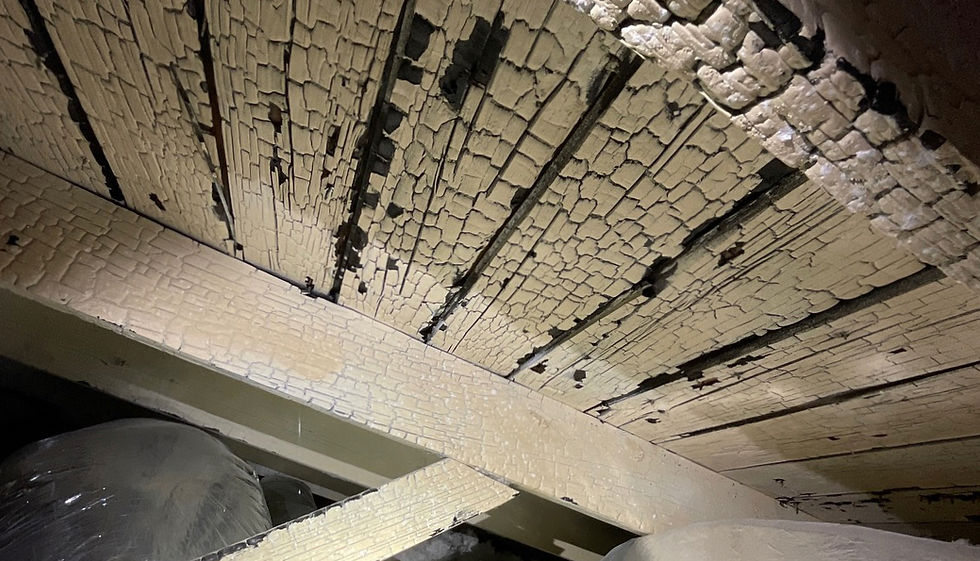
ESSENTIAL FIRST-TIME HOME INSPECTION TIPS
Preparation makes a significant difference. Here’s how to get the most value from your inspection:
Hire a Licensed, Experienced Inspector
Choose an inspector who understands local construction practices and coastal risks like moisture intrusion, wood rot, and storm-related damage.
Attend the Inspection
Being present allows you to ask questions, see issues firsthand, and better understand how the home functions. It also gives you a chance to learn how to maintain the home after you move in.
Review a Sample Report in Advance
Knowing what a report looks like helps set expectations and ensures nothing important is overlooked.
Focus on Major Systems and Safety
Structural concerns, electrical hazards, roofing issues, and plumbing defects should take priority over cosmetic items.
Get Repair Estimates When Needed
If significant issues are found, obtaining contractor estimates helps you negotiate effectively.
Don't Dismiss Minor Issues
Small defects can sometimes point to larger underlying problems—especially in coastal environments.
Take Time to Understand the Report
Ask your inspector to clarify anything unclear. A good inspector will walk you through the findings.
Consider a Re-Inspection
If repairs are made before closing, a follow-up inspection ensures the work was completed properly.
COMMON HOME INSPECTION PITFALLS TO AVOID
First-time buyers often make avoidable mistakes. Here are the most common:
Choosing the cheapest inspector
A lower price often means a less thorough inspection—costing you more in the long run
Relying only on seller disclosures
North Carolina is a buyer-beware state. Sellers are not required to disclose every issue, which means defects can go unreported. A professional inspection is your best protection before closing.
Overlooking coastal risks
Homes in Eastern North Carolina are more susceptible to moisture intrusion, wood rot, termite activity, and storm-related wear—issues that require careful evaluation.
Skipping the inspection to speed up closing
This can lead to significant financial risk and unexpected repairs.
Not Budgeting for Repairs
Every home requires maintenance—plan for both immediate repairs and long-term upkeep.

HOW TO USE THE INSPECTION REPORT EFFECTIVELY
Your inspection report is more than a checklist—it’s a negotiation and planning tool. Also, understand that not every issue needs to be negotiated—focus on items that impact safety, structure, or major systems.
Review the report with your real estate agent
Prioritize safety issues and major defects
Request repairs, credits, or price adjustments
Plan for future maintenance
Keep the report for long-term reference
NEXT STEPS AFTER THE INSPECTION
Once the inspection is complete:
Finalize negotiations based on findings
Schedule any necessary repairs or additional evaluations
Prepare for closing with confidence
Complete a final walk-through before move-in
Working with an experienced local inspector helps ensure nothing important is missed—especially in coastal markets like the Crystal Coast. If major concerns are identified, additional specialized inspections (such as roofing, HVAC, or structural evaluation) may be recommended.
MAKING THE MOST OF YOUR HOME INSPECTION
A home inspection is not just a step in the process—it’s your opportunity to fully understand the condition of one of the largest investments you’ll ever make.
With the right inspection and guidance, you can avoid costly surprises, negotiate with confidence, and move forward knowing exactly what you’re buying.
In coastal markets like the Crystal Coast, working with an experienced local inspector is essential.
Schedule Your Inspection with Tidemark Home Inspections
Serving Swansboro, Jacksonville, Hubert, Emerald Isle, Morehead City, and surrounding areas across Onslow, Carteret, Jones, Pender, Craven, and New Hanover counties.


Comments